

Overview
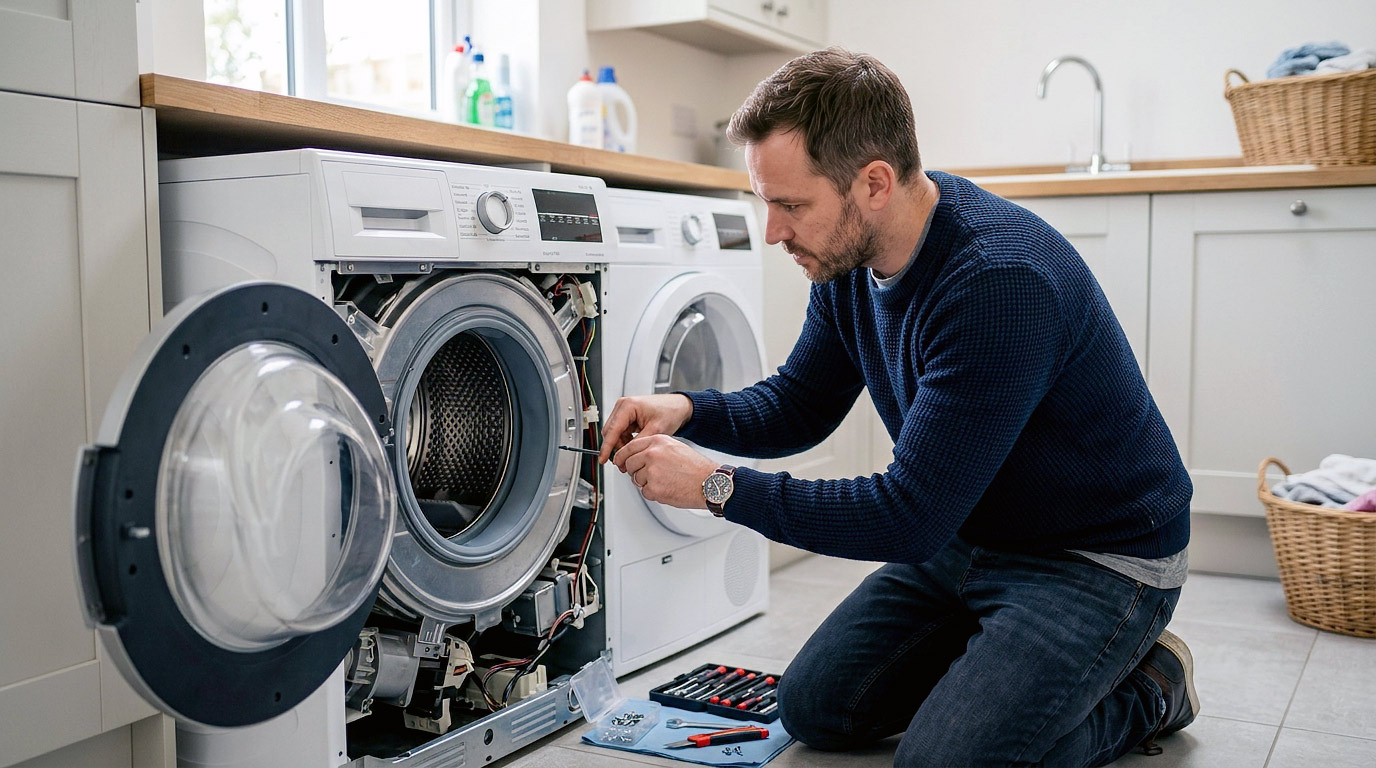
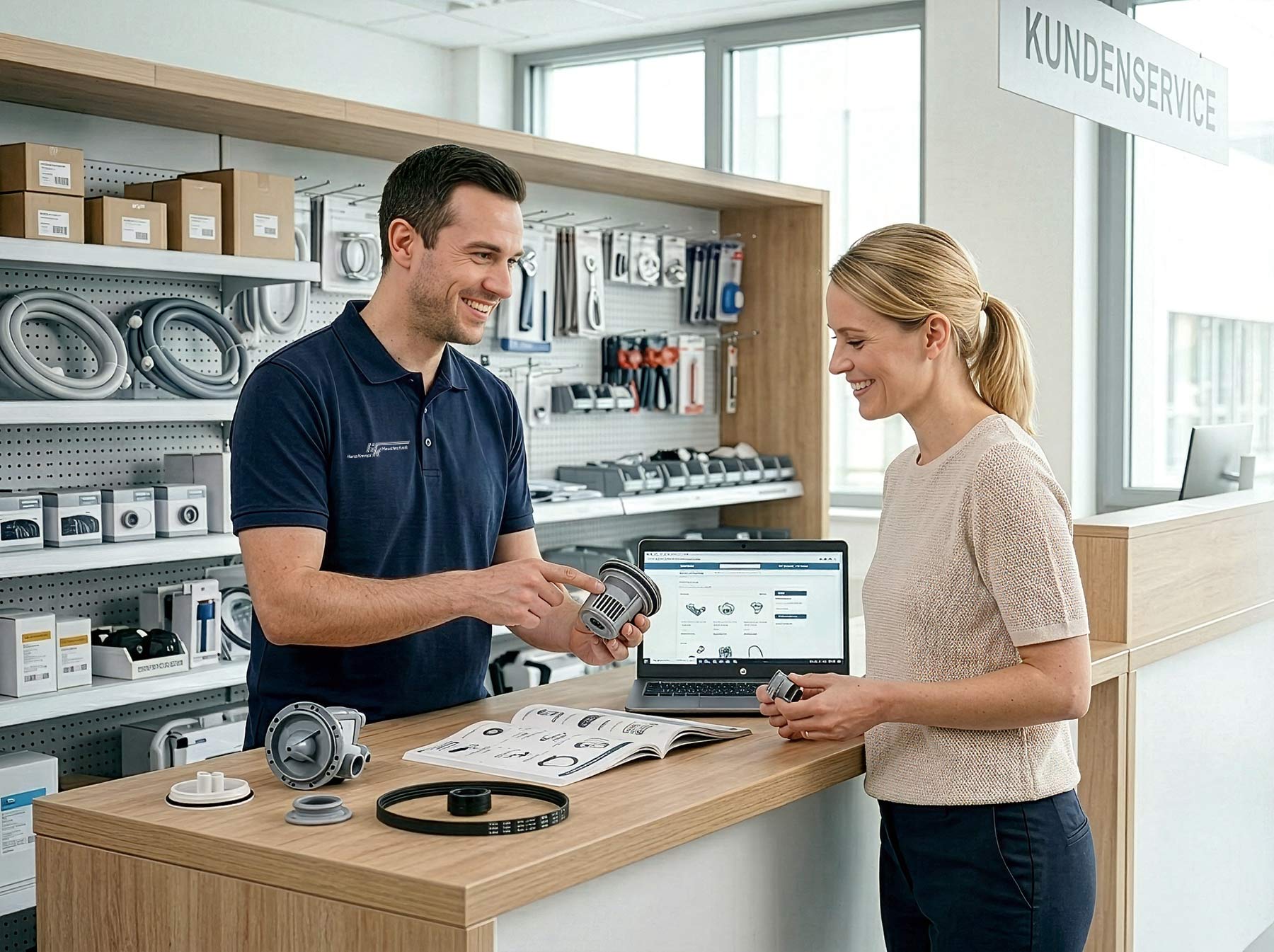
EU DIRECTIVE: Right to repair and the shift towards sustainability
EU DIRECTIVE: Policymakers are focusing on sustainability and forcing manufacturers and retailers to rethink. The new right to repair is creating a new market that could reshape entire industries.
This throwaway mentality is now set to come to an end. With EU Directive (EU) 2024/1799 and its implementation into national law by July 31, 2026, the legislator is creating the basis for a right to repair. The new directive strengthens consumers, but poses challenges for companies along the value chain. The background is a structural problem: around two million tonnes of e-waste are generated in Germany every year. A significant portion of this could be avoided if repairs were more easily accessible. At the heart of the reform is the obligation for manufacturers to repair certain products beyond their usual service life – and at a reasonable price. What initially sounds like consumer protection has a profound impact on existing business models. In future, companies will not only have to produce more durable products, but also expand their service and spare-parts structures.
New obligations for manufacturers, retailers and consumers
A key element of the new regulation is improved availability of spare parts and repair tools. These are to be provided on fair terms, including for independent repair businesses. At the same time, technical and software-based barriers that have so far made repairs more difficult or prevented them will largely be prohibited. Standards are also shifting in sales law: the so-called “usual quality” of a product will in future explicitly include criteria such as durability, repairability and compatibility. This makes repairability a legally defined quality feature. Consumers will have additional incentives: anyone who opts for a repair in a warranty case benefits from an extended limitation period for defect claims. At the same time, manufacturers will be required to provide transparent information about repair options – including through standardised information forms. The new rules apply equally to manufacturers, importers and retailers. They increase the pressure to design products more sustainably, while also opening up new business opportunities in the service and repair sector.
Hans Krempl Haustechnik and the repair culture
This is where a development begins that, in practice, has already started in some places. While policymakers are still working on the legal framework, there are companies that have been actively promoting the principle of repair for years. One example is Hans Krempl Haustechnik GmbH. The family-owned company from Koblenz recognised early on that economic and ecological interests can be combined in the repair business. As early as 2009, Krempl launched the “Germany Repairs – Repair Instead of Throwing Away” initiative and was awarded the Environmental Prize of the Ministry for the Environment, Forestry and Consumer Protection in Rhineland-Palatinate. The aim of the initiative is more sustainable use of electrical appliances and the reduction of e-waste. “Initiatives like these create the necessary infrastructure and at the same time promote a change in thinking among consumers and businesses,” the Ministry explained. “We are trying to establish a ‘repair culture’ that benefits household appliance users, the local economy and the environment,” emphasises Managing Director Hans Krempl. More than 1,200 businesses have now joined this initiative and are helping to ensure that defective appliances are repaired more often instead of being disposed of.
Further information on the draft bill: www.bmjv.de
On the Germany Repairs initiative: www.deutschland-repariert.de
Text source: Business (Rhein-Zeitung) 04/05 2026 / By Gudrun Heurich
More articles

We are now your official distributor for original spare parts from the Midea brand. With an import of over 27,000 items, we are massively expanding our range for you.
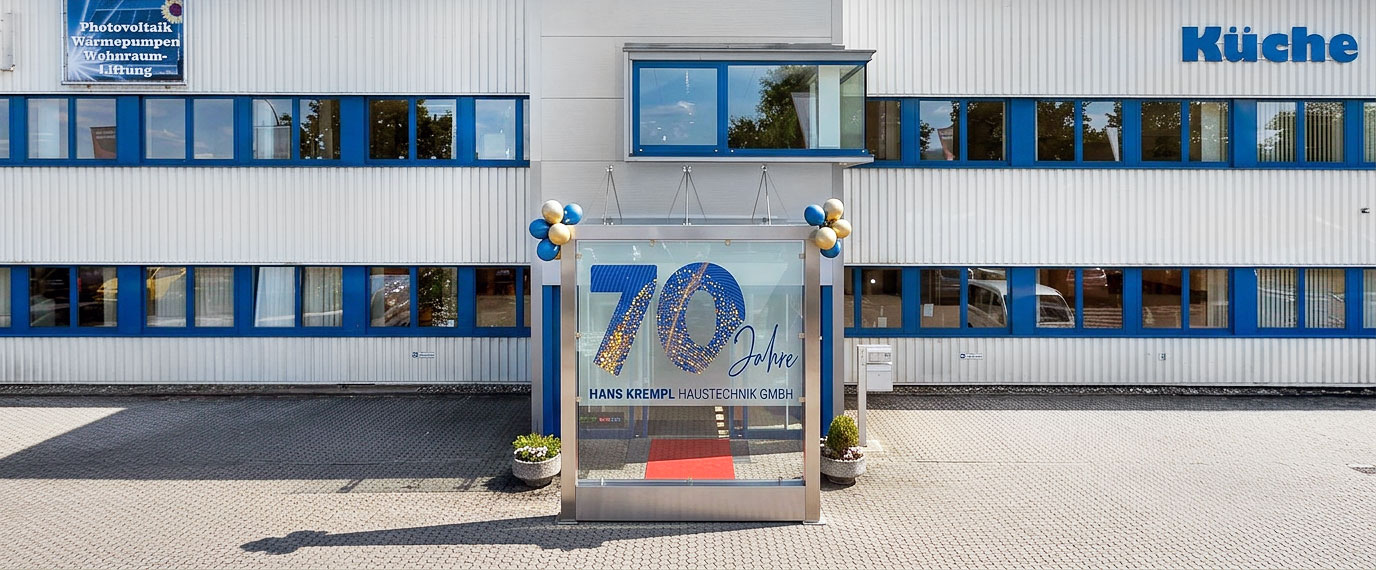
For seven decades, Krempl has stood for competence, quality, and reliability in the field of household appliances and spare parts.
