

Overview
Corporate History and Structure
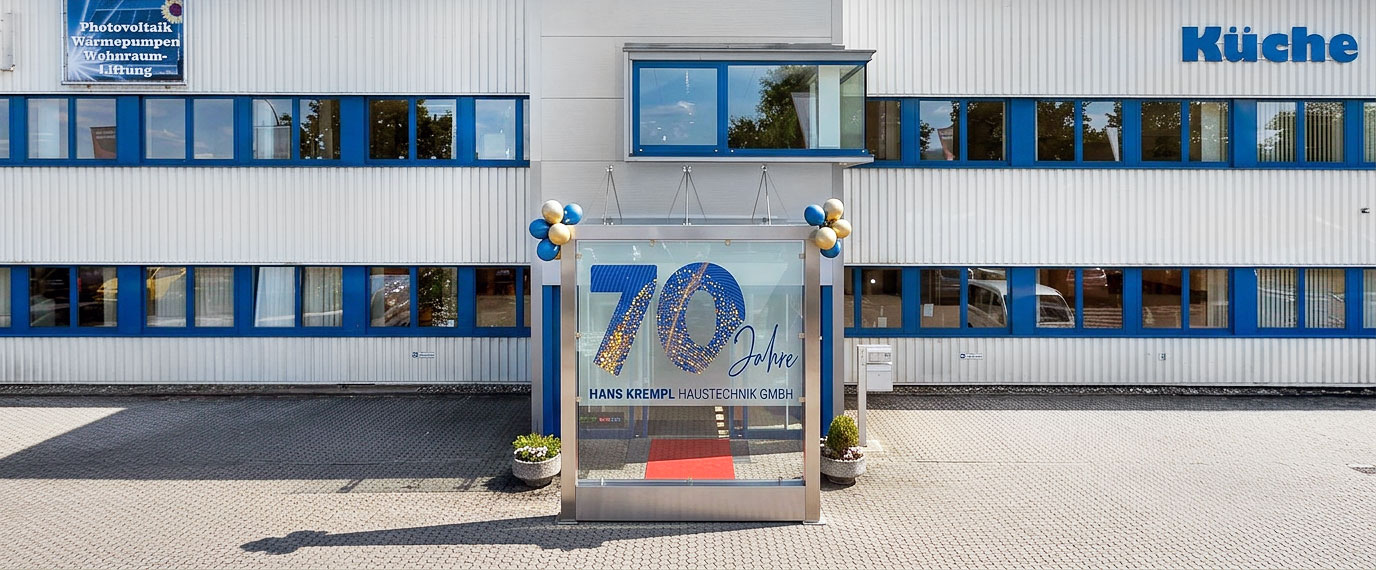
Hans Krempl Haustechnik GmbH is celebrating its 70th anniversary this year.
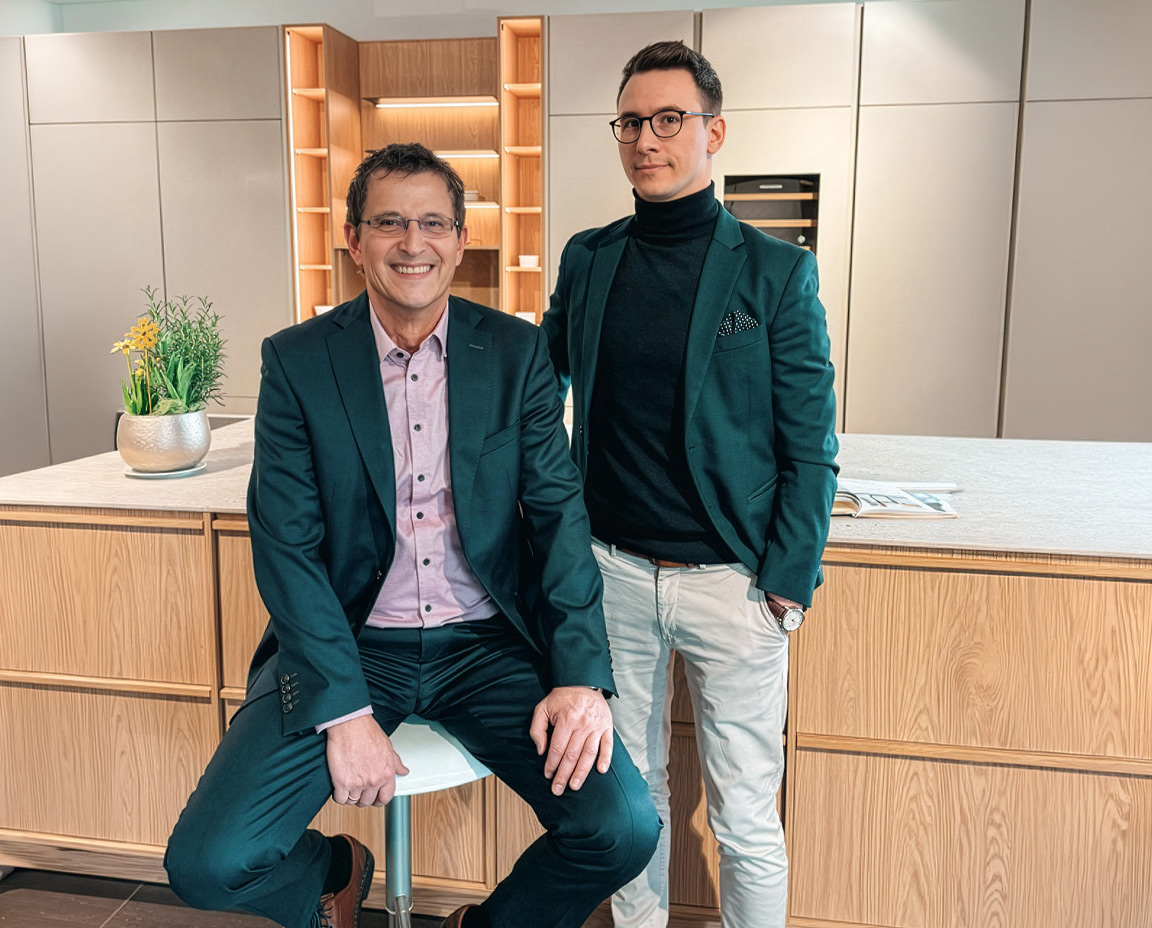
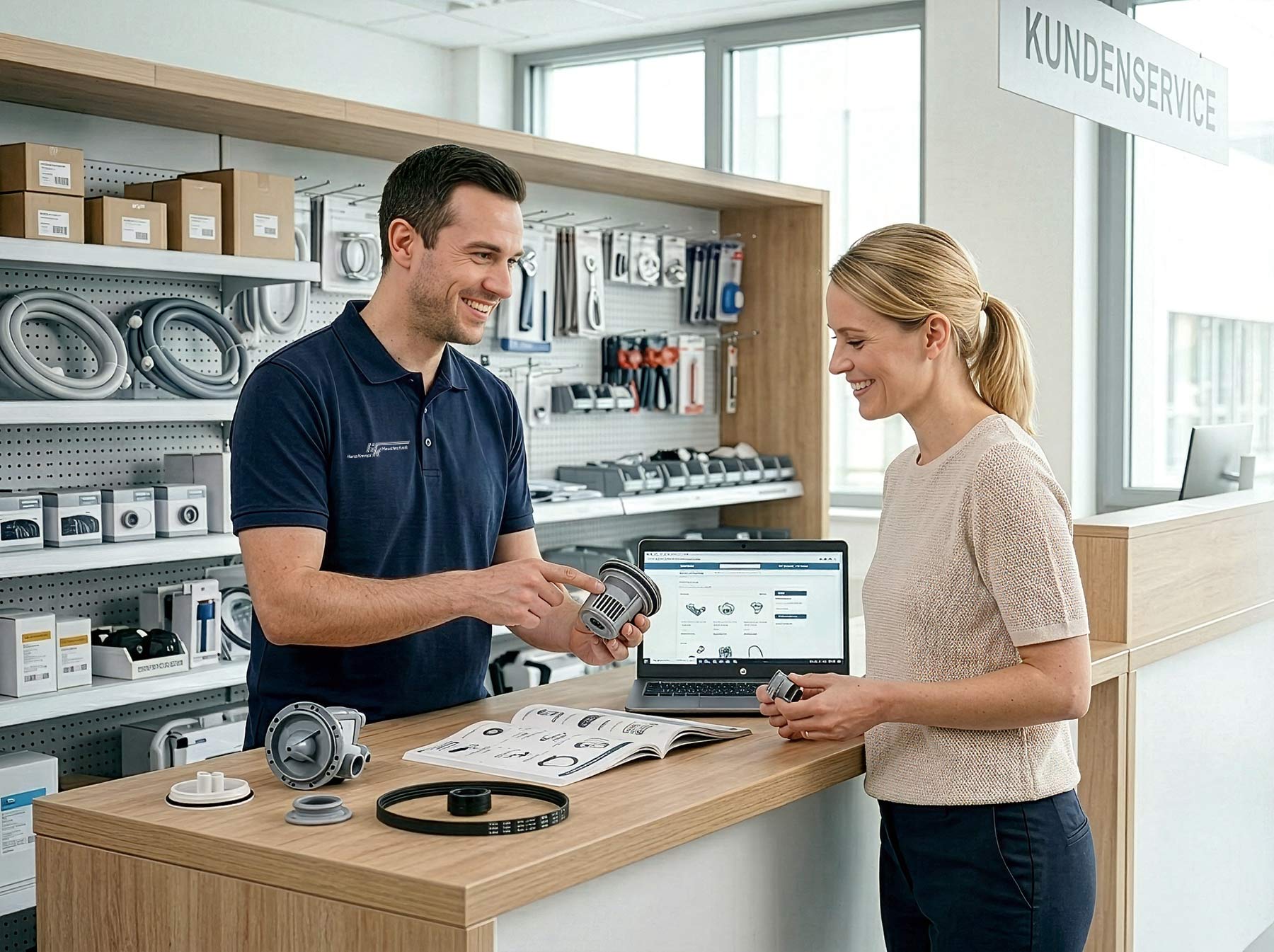
Today, the third generation is already active in the company’s management. The core of the business remains the trade in spare parts and accessories for electrical household appliances. With a range of more than five million items and a high-performance logistics system, Krempl is one of the major spare parts suppliers in Germany. For specialist retailers, tradespeople, and end customers, this means one thing above all: rapid availability – a decisive factor for economically viable repairs.
Product Range, Services, and Market Position
Furthermore, the company has consistently expanded its portfolio. In addition to the spare parts business, it now also includes the distribution of large and small appliances, consulting services, and the planning and implementation of fitted kitchens. Proprietary brands in the spare parts segment complement the range and strengthen its competitive position. A characteristic feature is the combination of a traditional understanding of service with digitized processes. E-commerce and efficient logistics structures make it possible to reliably serve both commercial customers and private households. At the same time, proximity to the trade remains a central component of the business model.
Corporate Philosophy and Future Perspective
“For us, sustainability comes before short-term profit maximization,” promises Hans Krempl. “Reliability, stability, trust, and flexibility are what define us. We are constantly working on solutions for today’s and tomorrow’s markets.” Looking at upcoming legal requirements, it is clear that companies like Krempl are well-positioned. They already possess the structures that will gain importance in the future: access to spare parts, logistical expertise, and a network of repair businesses. The right to repair could further accelerate this development. This is because it not only strengthens the demand for repair services but also forces manufacturers to design their products accordingly. For retailers and specialized service providers, this opens up a market that has long been underestimated. The new law sets the framework – the practical implementation lies with companies, tradespeople, and consumers.
More articles

We are now your official distributor for original spare parts from the Midea brand. With an import of over 27,000 items, we are massively expanding our range for you.
EU DIRECTIVE: Policymakers are focusing on sustainability and forcing manufacturers and retailers to rethink
